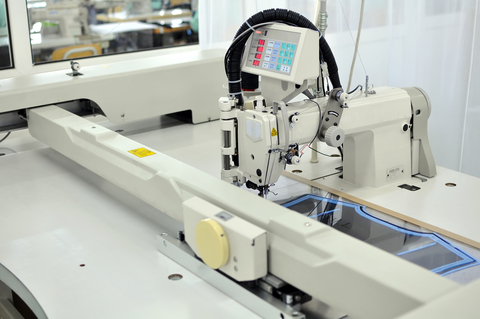
 While most knitters are dedicated to hand knitting, machine knitting is a great way to become fast efficient, and accurate in your work. The knitting hobbyist may not find much of a use for a knitting machine, but if you knit in order to make money, or make garments for your family, you may want to consider this purchase. Many large manufacturers use machines for knit fabrics, but you can also find knitting machines intended for household use. Not only will you be able to easily figure out the ins and outs of using your machine at home, but also you’ll be able to quickly create knitted goods without working day and night on each project.
Benefits of Using a Knitting Machine
Many hand knitters despise the idea of machine knitting, and consider it to be cheating. All you should know on this topic is that once you have tried it, you will know that it is not cheating! Learning the ins and outs of a knitting machine can be a lot of work, and converting your knowledge of hand knitting to machine knitting can be extremely complicated. Still, once the initial learning hurdle is passed, you’ll find that there are many benefits to knitting on a machine.
The Speed Of Creation!
The most obvious benefit to knitting with a machine is the speed at which you can finish each project. Using a machine to knit sweaters, scarves, or other goods for your family will speed up the process immensely, meaning less money spent in department stores on over-priced winter garments. This of course can also be a most useful factor to consider if you are looking at starting a knitting business or if you want to make money knitting.
No More Slipped Stitches or Crooked Cables
Not only will a knitting machine increase your efficiency, but since most machines use programmed patterns, the ACCURACY will be high as well. While knitting by hand can produce slipped stitches or a crooked cable when you aren’t paying enough attention, a machine is made to accurately complete a job and is less likely to result in noticeable mistakes in your knit fabric.
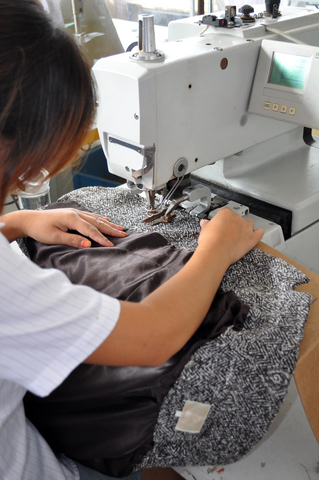
Differences Between Hand Knitting and Machine Knitting
If you’re considering making the switch from hand knitting to knitting on a machine, there are a few differences you should first become aware of. First of all, not all stitches can be created the same way on a knitting machine, and some can’t be re-created at all, or are just too tedious to be worth it.
Gauge Differences
Another big difference in knitting with a machine is the gauge. Since knitting machines feature needles that are locked in place, you can’t just change their position or size to meet a different gauge. Instead, you have to create several gauge swatches before you can even consider knitting something sized on your machine. To find the proper gauge on a machine-knit gauge swatch, you have to first take it off the machine, roll it up, tug on it from top to bottom, and then let it set overnight to get an accurate size.
With a knitting machine, there is a lot more work in the preparation, but once you have gotten accustomed to your machine and how it works, the overall production will be much faster.
How to Choose a Knitting Machine
The most important aspect of choosing a knitting machine is to know what size yarn you prefer. Since the needles are locked into place, you can’t change them out with larger sizes for different yarns. It doesn’t really matter what projects you want to use your machine for, or what types of fiber you like best. Consider going into your local yarn store and saying “I want needles that knit wool.” That doesn’t make much sense, does it? It’s the same concept for a knitting machine. Rather than knowing what type of fiber you like, you need to know what size you like, so that you can choose a machine equipped to handle your yarn.
Making the switch from hand knitting to a knitting machine can take a bit of time. However, if you are looking at selling knitting or you’ve decided you need to become much more efficient for one reason or another, it can be worth the time needed to make the switch. If you find yourself wanting to produce your knitting faster than your hands can move, then you should be considering machine knitting as your newest hobby.